

lilianaharring
About lilianaharring
Did You Begin Invest For Passion or Cash?
 There is a version of the housing market story that gets told over and over, and it goes like this: prices are high, rates are high, nothing is affordable, and the only people buying are the ones with cash. That version is not wrong, exactly. It is just incomplete.

Here is what that creates for someone who is financially prepared and ready to move: more room to negotiate than the market’s reputation suggests. The panic buyers are gone. The buyers who showed up with desperation instead of preparation have mostly sat back down. What remains is a more functional market, even if it is not a cheap one.

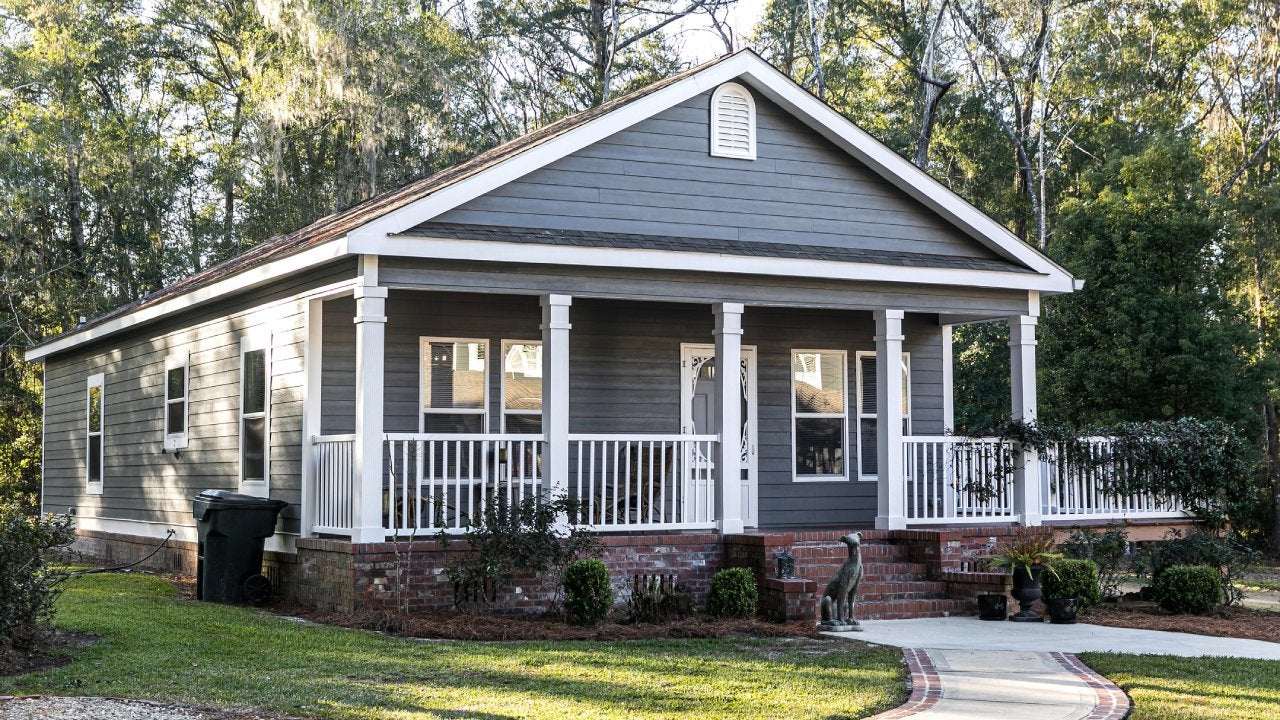 The appraisal is the lender’s check, not yours. A low appraisal means the buyer has to make up the gap in cash, renegotiate, or cancel. Ask your agent how common appraisal gaps have been in your target price range and neighborhood.
 Negotiation works best when it is quiet and well-prepared. Before you make an offer, find out how long the listing has been active. A listing with a history of two failed deals in the past month is a fundamentally different negotiation than one that just hit the market at an aggressive price.
The timing question, whether to buy now or wait for prices to pull back, is the one that trips up more buyers than any other single factor. The record on market timing for owner-occupied housing is not encouraging. The more useful question is not whether now is the right time in the abstract; it is whether you are buying because the numbers make sense for you, not because you feel social pressure to own.
Buyers who take the time to do their homework tend to find that the market is more navigable than the headlines suggest. Before you commit to a direction, browsing homes for sale and market resources can sharpen your picture of what is actually available in your price range.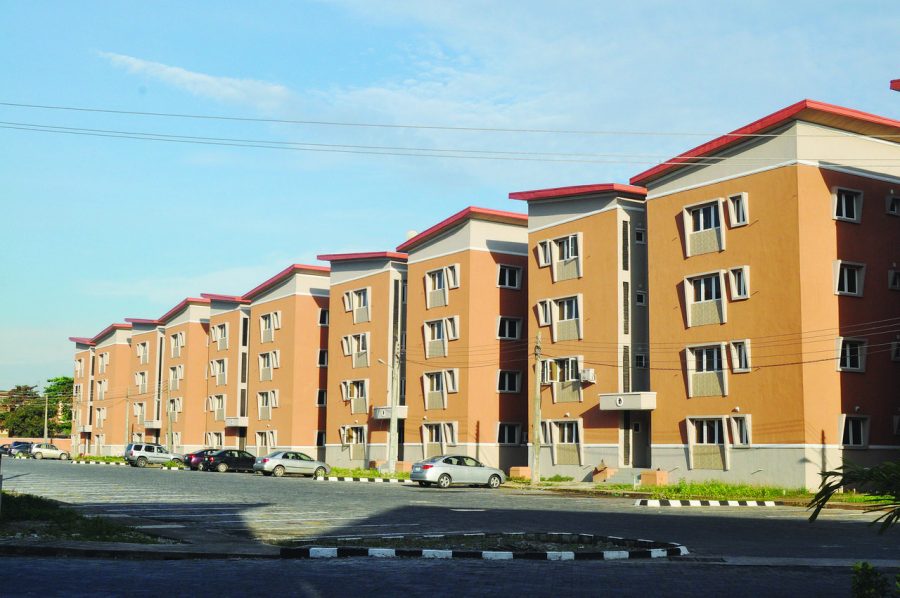
No listing found.